February 27, 2026
Proper crane maintenance is critical for keeping projects on schedule and ensuring the safety of workers on-site. Construction cranes handle heavy loads, move equipment, and support complex lifts, making reliability non-negotiable. Regular inspections, routine servicing, and careful operation can prevent costly downtime and extend the life of your equipment. Understanding best practices in crane care ensures that your investment performs efficiently across commercial projects, demolition support, and heavy equipment lifting. This guide will explore practical strategies for maintaining cranes while maximizing safety and performance.
Inspect Equipment Regularly With Precision
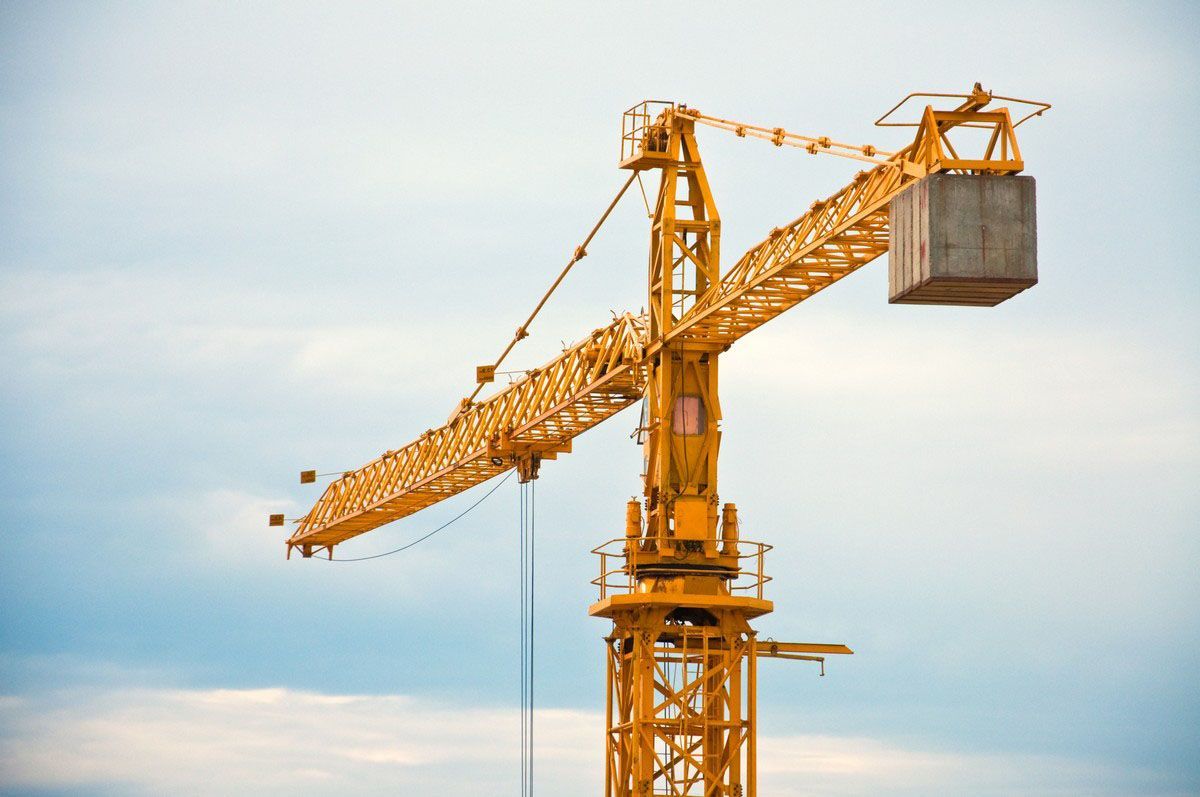
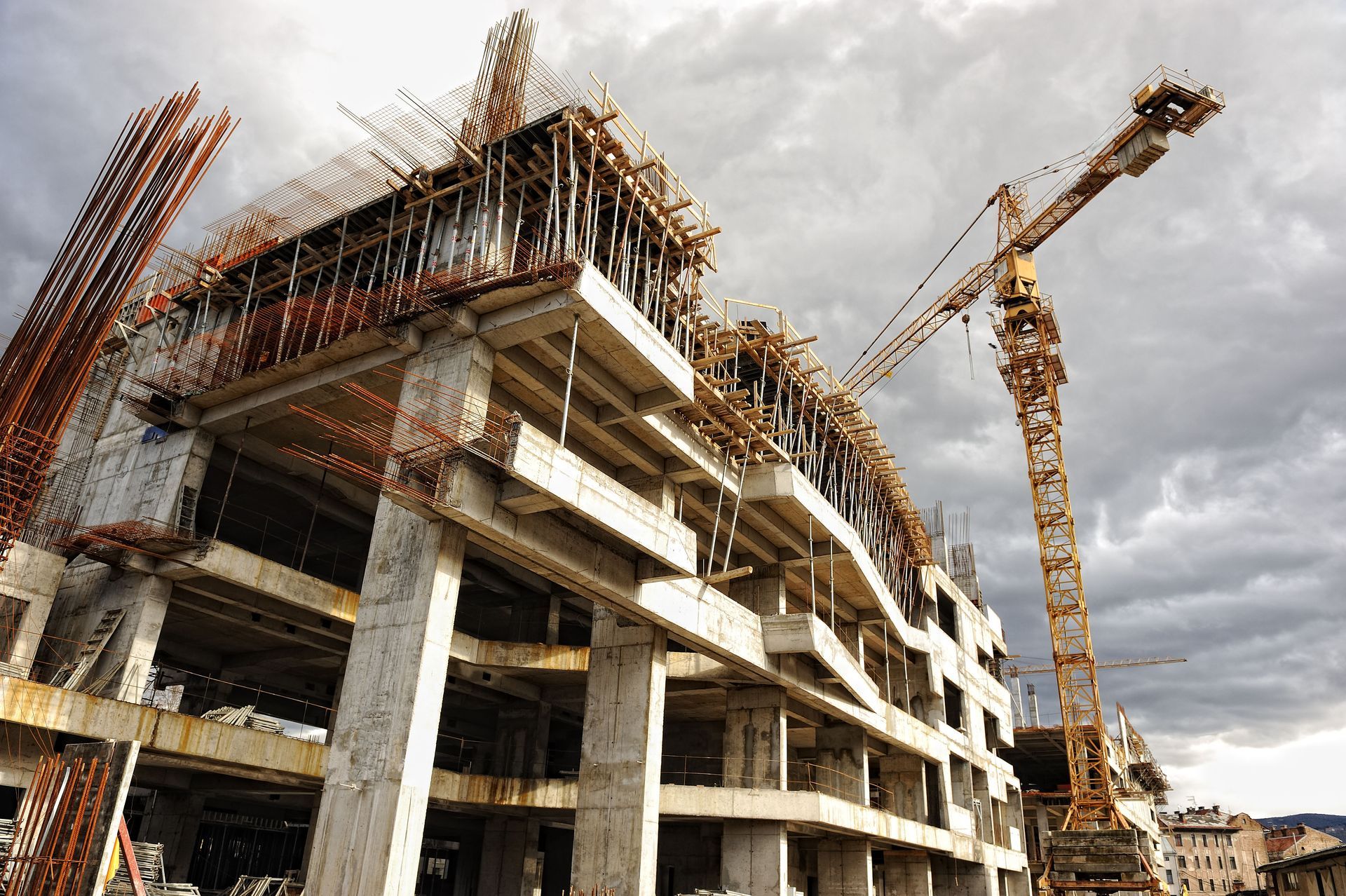
Routine inspections form the backbone of effective crane maintenance. Before each shift, operators should examine all visible components, including hooks, chains, wire ropes, and hydraulic systems. Look for signs of wear, corrosion, or cracks that could compromise performance. Inspecting with precision not only prevents mechanical failures but also aligns with safety regulations for certified crane services. According to Futuremarketinsights.com, tower cranes were a general favorite among 60% of companies worldwide on high-rise building projects, highlighting the importance of consistent maintenance to maintain peak operational efficiency.
Lubricate Moving Parts With Consistency
Proper lubrication reduces friction and wear, which prolongs the lifespan of crucial crane components. Bearings, pulleys, and wire ropes require periodic greasing or oiling according to manufacturer guidelines. Lubricating with consistency prevents mechanical strain and ensures smoother lifts, particularly during industrial equipment relocation or steel beam placement. Scheduling lubrication as part of long-term crane rentals or short-term operations helps maintain peak performance while lowering the risk of unexpected breakdowns.
Monitor Hydraulic Systems With Care
Hydraulic systems power lifts and control precision movements, making them essential for safe operation. Regularly check fluid levels, hoses, and connections for leaks or signs of deterioration. Monitoring with care prevents pressure drops that could lead to operational delays or accidents. When using all-terrain cranes or rough terrain cranes, proper hydraulic maintenance ensures lifts remain smooth and controlled, even on uneven ground. Emergency crane services particularly benefit from proactive hydraulic checks to avoid disruptions during urgent projects.
Test Safety Mechanisms With Each Shift
Safety mechanisms like limit switches, load indicators, and emergency brakes should be tested before each job. Testing with each shift guarantees that these critical systems function as intended during heavy equipment receiving or HVAC unit installation. Verifying safety features reduces the likelihood of accidents and aligns with compliance requirements for lift planning and logistics. On-site safety checks are essential when deploying boom trucks or carry deck cranes in high-traffic construction zones.
Clean Components With Attention
Dirt, debris, and environmental contaminants can accelerate wear on crane components. Cleaning with attention to detail helps maintain operational integrity and prevents premature corrosion, especially in commercial storage areas or outdoor construction sites. Regularly washing steel beams, trusses, and crane structures keeps sensors and moving parts free from obstructions, ensuring smooth lifts and secure equipment placement.
Schedule Professional Servicing With Experts
While daily inspections and maintenance are critical, professional servicing ensures that more complex systems receive proper care. Certified operator services can address structural assessments, hydraulic calibrations, and load-bearing evaluations. Scheduling professional crane services periodically aligns with both long-term crane rentals and short-term projects, allowing operators to focus on execution while equipment remains reliable and compliant.
Document Maintenance Activities With Records
Keeping detailed maintenance logs supports accountability and operational efficiency. Documenting inspections, repairs, lubrication schedules, and parts replacements allows teams to track trends and anticipate future service needs. Recording maintenance activities is particularly important for heavy equipment lifting and industrial equipment relocation projects, where reliability directly impacts timelines and safety compliance. Accurate records also support secure storage solutions and equipment delivery operations.
Rotate Loads Properly With Precision
Correct load rotation prevents uneven stress and prolongs the lifespan of crane components. Operators should follow manufacturer guidelines and consult lift planning and logistics experts when handling steel beams, trusses, or HVAC units. Rotating loads with precision is vital for all crane types, including rough terrain cranes and boom trucks, ensuring equipment performs consistently under heavy use.
Train Operators With Updated Knowledge
Operator training is a cornerstone of effective crane maintenance. Certified operators who undergo regular crane safety training are better equipped to identify potential issues and follow correct handling procedures. Training with updated knowledge ensures that lifts are conducted safely and efficiently, reducing wear on machinery and enhancing performance across diverse projects.
Store Equipment Securely With Protection
When cranes or components are not in use, secure storage helps prevent environmental damage. Using commercial storage facilities or dedicated on-site areas protects sensitive systems from moisture, dust, and temperature fluctuations. Storing equipment with proper protection supports both short-term crane rentals and long-term crane rental programs, maintaining readiness for future lifts and heavy equipment receiving.
Review Manufacturer Guidelines With Accuracy
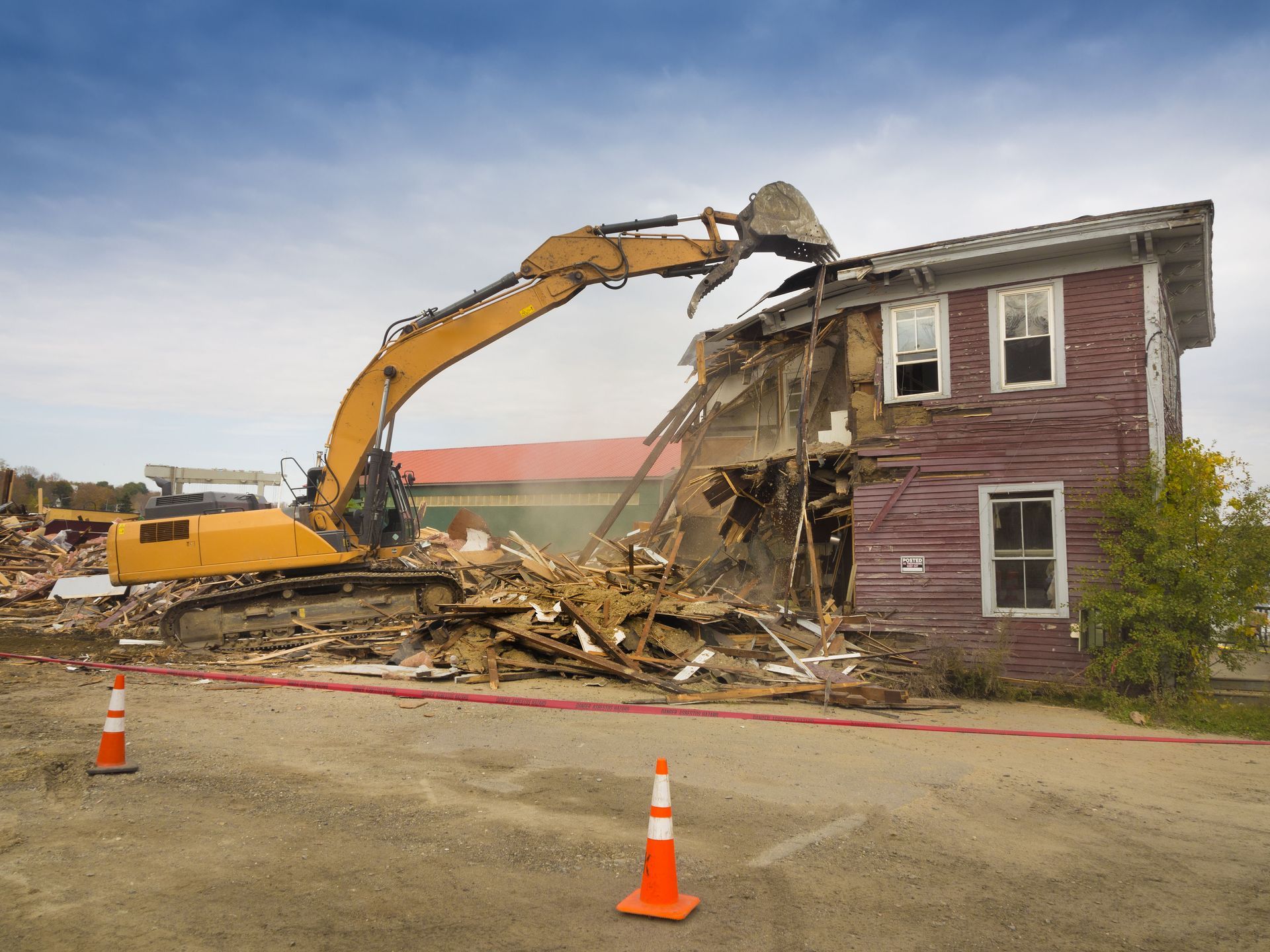
Every crane comes with specific recommendations for operation and maintenance. Reviewing manufacturer guidelines with accuracy ensures that all service procedures, load limits, and lubrication schedules are followed correctly. Proper adherence reduces the risk of mechanical failure during demolition support, industrial equipment relocation, or steel beam placement, while also extending equipment lifespan.
Implement Emergency Protocols With Readiness
Despite careful maintenance, unforeseen issues may arise during crane operations. Implementing emergency protocols with readiness ensures that operators can respond quickly to malfunctions, hydraulic failures, or structural concerns. Emergency crane services, including equipment delivery and lift planning assistance, rely on proactive measures that combine operator skill with well-maintained machinery.
Plan Lifts With Strategic Coordination
Effective lift planning minimizes risk and maximizes efficiency. Using crane services to coordinate logistics, assess load weights, and verify site conditions ensures that each project proceeds safely. Planning lifts with strategic coordination is especially critical for HVAC unit installation, industrial equipment relocation, and steel truss placement, where precision and timing are essential for successful outcomes.
Maintain Compliance With Safety Standards
Adhering to OSHA regulations and industry best practices safeguards both workers and equipment. Maintaining compliance with safety standards ensures that all crane operations — from commercial projects to on-site equipment delivery meeting legal and operational requirements. Compliance with lift planning, heavy equipment receiving, and crane safety training protocols reinforces a culture of safety while enhancing equipment longevity.
Evaluate Equipment Performance With Metrics
Tracking performance metrics helps identify areas needing attention before they escalate into costly repairs. Evaluating equipment performance with metrics allows teams to monitor lift efficiency, hydraulic responsiveness, and structural integrity across boom trucks, carry deck cranes, and all-terrain cranes. Regular performance assessments support long-term and short-term crane rentals, keeping projects on schedule and equipment in top condition.
Rotate Components With Scheduled Precision
Certain parts, such as wire ropes, pulleys, and bearings, require rotation or replacement on a set schedule. Rotating components with scheduled precision reduces uneven wear and prevents unexpected failures, particularly during commercial storage or heavy lifting operations. Scheduled component rotation ensures that all crane services maintain consistent performance and safety standards.
Proper crane maintenance is essential for safe, efficient, and long-lasting equipment performance. From daily inspections to scheduled professional servicing, consistent care helps cranes perform optimally across diverse commercial projects. At D-Crane Rental, we focus on supporting our clients with expert crane services, lift planning, and equipment storage solutions. Whether you require short-term crane rentals, long-term projects, or emergency crane support, our team is ready to help you achieve safe and reliable lifts every time. Contact us today to learn more about how we can assist your next construction or industrial project.