July 24, 2026
Crane rental costs can represent a significant portion of a construction, industrial, infrastructure, or specialty lifting project budget. The final price depends on more than the crane itself. Equipment type, lifting capacity, rental duration, transportation, operators, site conditions, and project requirements can all affect the total cost. Understanding these variables before work begins can make it easier to develop a realistic budget and avoid unexpected expenses.
The crane rental service industry has also experienced shifting market conditions. According to IBISWorld, industry revenue has declined at a compound annual growth rate of 1.4% over the past five years, reaching an estimated $10.9 billion in 2025. This broader market trend does not determine the price of an individual project, but it provides context for understanding the changing conditions within the equipment rental sector.
What Types of Cranes Are Available for Rental?
The type of crane selected is one of the most important factors affecting the cost of crane rental. Different cranes are designed for different lifting capacities, work environments, and project requirements. Choosing equipment based on the actual needs of the job can help prevent unnecessary expenses associated with renting a machine that is larger or more specialized than necessary.
Mobile cranes are commonly used for construction, infrastructure, industrial, and general lifting projects. Because they can be transported between locations and set up relatively quickly, they may offer flexibility for projects that require lifting equipment at multiple sites. However, the specific type of mobile crane and its capacity can significantly affect rental rates.
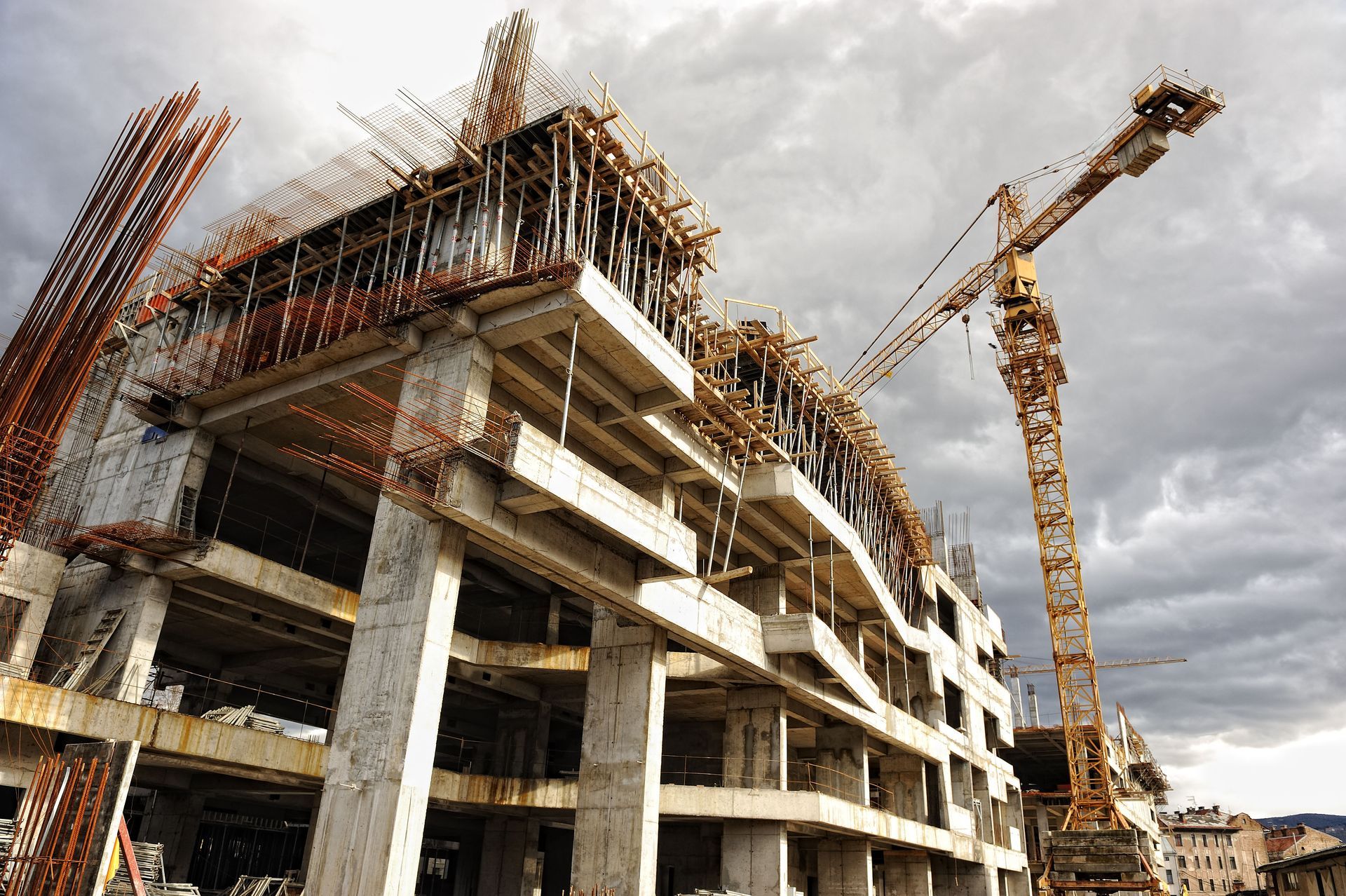
Tower cranes are often associated with large construction projects, particularly those involving tall buildings or extended periods of work at a single location. Their height and reach make them useful for lifting materials vertically across large job sites. Because installation, dismantling, transportation, and extended rental periods may be involved, tower crane costs can differ substantially from those associated with short-term mobile equipment rentals.
Rough-terrain cranes are designed for job sites with uneven or undeveloped surfaces. They are frequently used in construction and industrial settings where maneuverability over difficult ground is important. All-terrain cranes provide another option for projects requiring both road transportation and off-road lifting capabilities.
Crawler cranes use tracks rather than traditional wheels and can provide substantial lifting capacity and stability. These machines may be appropriate for heavy-duty projects but can involve additional transportation and setup requirements. The equipment selected should reflect the project's lifting demands, access limitations, and worksite conditions.
What Are the Main Factors Affecting Crane Rental Costs?
Several factors can influence the final price of crane rental. The equipment's size and lifting capacity are among the most obvious considerations. A crane capable of lifting heavier loads or reaching greater heights will generally require more resources than smaller equipment designed for lighter work.
Rental duration is another important factor. A short-term rental may be priced by the day, while longer projects may involve weekly or monthly rates. Some rental providers may offer different pricing structures for extended use. However, keeping equipment longer than planned can increase the total cost, particularly when the crane is rented with an operator or requires additional support services.
Transportation can also affect the budget. Large cranes may require specialized trucks, permits, escorts, or route planning to reach the job site. The distance between the equipment yard and the worksite may also affect delivery charges. In some cases, transportation expenses can represent a substantial portion of the total rental cost.
The need for a certified or qualified crane operator may also affect pricing. Some rental arrangements include an operator, while others involve equipment-only rentals. The appropriate arrangement depends on the project, equipment, and applicable workplace requirements. Additional personnel may also be needed for rigging, signaling, site supervision, or other lifting-related tasks.
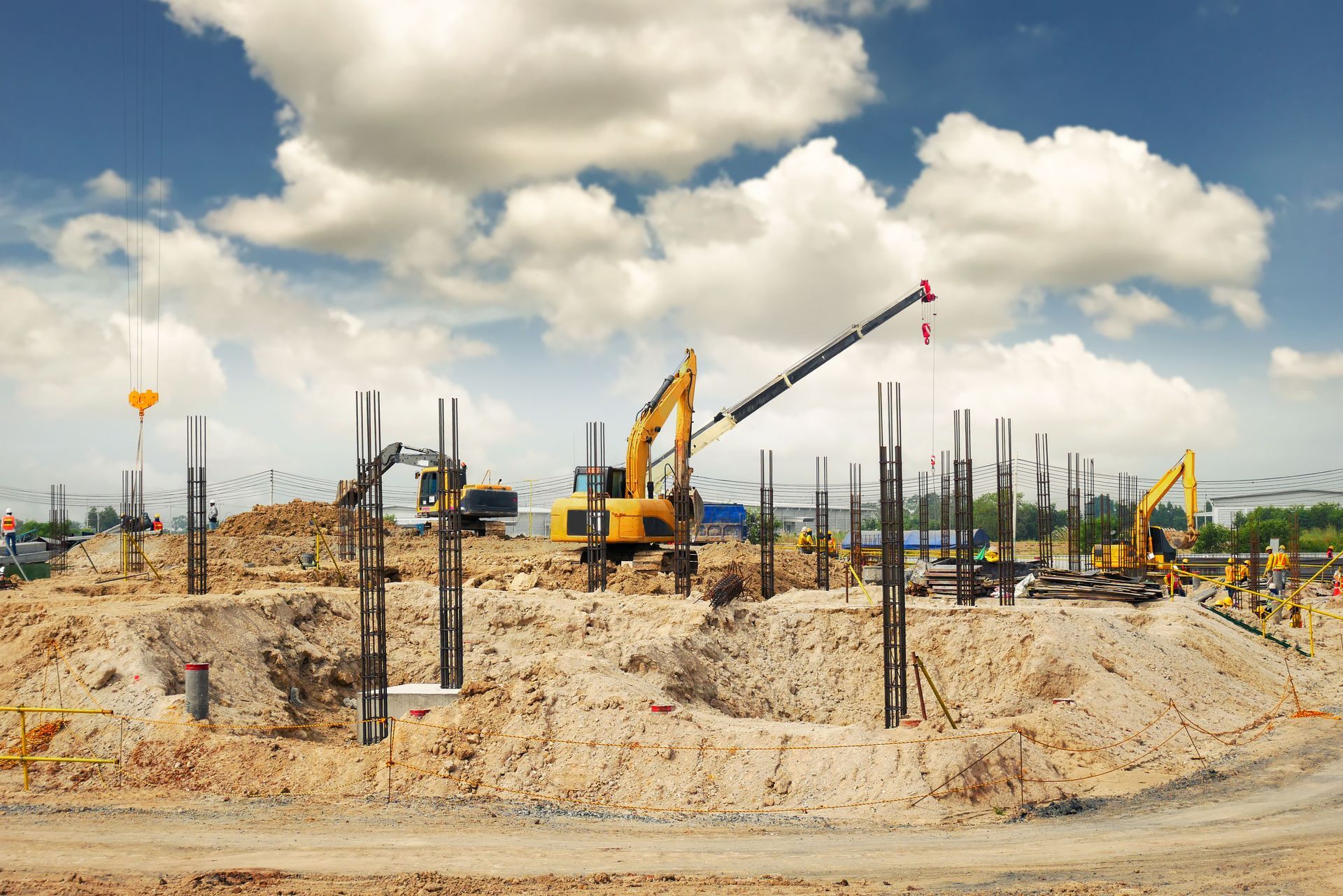
Site conditions can influence costs as well. Limited access, unstable ground, overhead obstructions, power lines, traffic restrictions, or difficult setup areas may require additional planning and equipment. If a crane cannot be positioned close to the lifting area, the project may require a larger machine with greater reach or additional equipment to move materials.
According to the American Rental Association, rental businesses also operate within broader economic conditions involving equipment costs, labor, transportation, and demand. These factors can contribute to changing rental prices over time. Comparing estimates based only on the daily equipment rate may therefore provide an incomplete picture of the actual cost of a crane rental.
How Can You Save on Crane Rental Expenses?
Planning ahead is one of the most effective ways to control crane rental costs. Waiting until the last minute can limit equipment availability and make it more difficult to compare pricing. Early planning gives project managers more time to evaluate different crane types, request estimates, and determine whether the selected equipment is appropriate for the work.
Accurate load information is also important. Before requesting a rental, the project team should understand the approximate weight and dimensions of the materials being lifted, the required lifting height, the horizontal distance involved, and the location where the load must be placed. Providing accurate information can help the rental provider recommend suitable equipment and reduce the risk of selecting an unnecessarily large crane.
Scheduling can also affect expenses. If a crane arrives before the site is ready, the project may pay for equipment that cannot yet be used. Delays can be particularly costly when equipment is rented by the day or when an operator is included in the arrangement. Coordinating site preparation, deliveries, crews, and lifting activities can help reduce idle time.
Another potential cost-saving strategy is comparing complete estimates rather than focusing only on the base rental rate. One company may offer a lower equipment price but charge more for delivery, setup, operators, or additional services. A more comprehensive estimate can provide a clearer understanding of the total cost of crane rental.
How Do Crane Rental Costs Impact Project Budgets?
Crane rental costs can affect several areas of a project budget. The most obvious expense is the equipment rental itself, but other costs may arise from transportation, labor, permits, setup, fuel, insurance, and additional lifting equipment.
For this reason, project managers should avoid treating crane rental as an isolated line item. The equipment may be directly connected to other project activities. For example, a delay in crane delivery could affect material placement, structural work, subcontractor schedules, and overall project completion. A longer rental period could then increase costs beyond the original estimate.
Budgeting should also account for potential changes in project conditions. Weather delays, material delivery problems, site access issues, or changes in the work plan may extend the time the crane is needed. Including a reasonable contingency in the project budget can help address some unexpected expenses without disrupting other areas of the project.
How to Choose the Right Crane for Your Specific Needs?
Choosing the right crane begins with understanding the job requirements. The weight of the heaviest load is important, but it is not the only consideration. The project team should also evaluate the distance the load must travel, the required lifting height, the available space, ground conditions, and any obstacles around the work area.
A load chart and site assessment can help determine whether a particular crane is capable of performing the work safely and effectively. A machine that can lift a certain weight under ideal conditions may have a lower capacity when the load must be extended farther from the crane or lifted to a greater height.
The worksite itself should be evaluated before finalizing a crane rental. Access roads, bridges, overhead utilities, nearby structures, underground conditions, and available setup space may all affect which equipment can be used. A crane that appears suitable based on lifting capacity may not be practical if it cannot reach the work area or be positioned safely.
Crane rental costs depend on many factors, including equipment type, lifting capacity, rental duration, transportation, labor, site conditions, and project scheduling. Developing an accurate budget requires looking beyond the basic daily rental rate and considering the full range of expenses associated with the equipment.
Planning ahead, providing accurate project information, comparing complete estimates, and selecting equipment based on actual site and lifting requirements can help control costs. With careful preparation, project managers can make more informed decisions about crane rental and better manage the overall project budget. If you're looking for crane rentals, reach out to D-Crane Rental today!