March 27, 2026
Explore how utilizing crane rentals can streamline construction processes, reduce costs, and enhance safety. In today's fast-paced construction industry, crane rentals have emerged as a pivotal resource for project managers. With advancements in technology and a growing demand for efficient building processes, crane rental services provide significant benefits. By leveraging crane rentals, companies can focus on their core competencies while ensuring that their projects are executed safely and timely.
Why Should You Consider Crane Rentals for Your Project?
Cost Efficiency
One of the primary benefits of crane rentals is the financial savings they offer. Purchasing a crane involves not only a substantial initial investment but also ongoing maintenance and storage costs. Renting, on the other hand, eliminates these burdens, allowing companies to allocate funds to other critical areas of their projects. Additionally, according to FutureMarketInsights.com, the crane rental industry is projected to grow at a CAGR of 5.0%, reaching approximately USD 82.39 billion by 2034, further underscoring the cost-effectiveness of rental services.
Renting cranes means companies only pay for equipment when it's needed, avoiding large capital expenditure on machinery that may only be used intermittently. This cost-saving reflects directly on the project's budget, offering more flexibility and financial room for maneuverability. Furthermore, renting reduces the necessity of maintaining a large fleet of owned equipment, lowering overhead costs significantly. The accessibility of a variety of cranes for specific tasks ensures that projects remain on a cost-effective track.
Moreover, crane rentals provide companies with financial predictability, as rental agreements often include fixed costs. This arrangement helps project managers plan budgets with greater accuracy and reduces the risk of unexpected expenses. Additionally, rental companies often cover repair and maintenance costs, adding to the overall cost-efficiency. This financial efficiency allows construction companies to allocate resources more strategically to other critical project areas.
Flexibility and Scalability
Crane rentals offer unmatched flexibility for construction projects, enabling managers to adapt to the ever-changing needs of their building plans. With rental services, project managers can choose different types of cranes to suit specific tasks, ensuring optimal productivity. This flexibility is crucial in dynamic environments where project specifications frequently change. It allows companies to meet various requirements without the need for a permanent, diverse fleet of cranes.
The scalability offered by crane rentals means that companies can adjust their logistics and equipment needs according to the size and scope of the project. Smaller projects may only require specific types of cranes for short periods, while larger projects may demand a variety of machinery over extended durations. Renting cranes affords this scalable solution, eliminating the burden of purchasing different equipment sizes and types. Therefore, crane rentals are ideal for companies that aim for efficiency and adaptability.
Additionally, crane rentals mitigate the challenges associated with rapidly expanding or contracting project scales. As project scopes grow, rental services can promptly provide the necessary equipment to meet new demands. Conversely, as projects wind down, any no longer needed machinery can be returned, avoiding idle equipment costs. This adaptability helps companies align their resources with actual project needs, enhancing overall project execution efficiency.
What Are the Different Types of Cranes Available for Rent?
Mobile Cranes
Mobile cranes are versatile and essential tools in a variety of construction projects. Known for their mobility, these cranes can be easily transported and set up at different locations on a construction site. They are particularly advantageous for projects that require lifting and moving heavy loads across challenging terrains. Their design usually incorporates a telescopic boom mounted on a platform, enhancing their reach and operational flexibility.
These cranes are highly adaptable, making them suitable for a range of lift operations in urban construction sites and large-scale industrial projects. Mobile cranes can be equipped with different attachments, enabling them to perform diverse tasks, from lifting steel beams to placing large precast concrete elements. Their quick set-up time and modest space requirements make them ideal for projects with limited access or high congestion.
Renting mobile cranes provides the flexibility needed to tackle various tasks without the financial burden of ownership. With rental options, construction companies can procure the specific model that best suits their project's requirements. This adaptability ensures that projects are executed efficiently and cost-effectively, further emphasizing why crane rentals remain a strategic choice for construction managers.
Tower Cranes
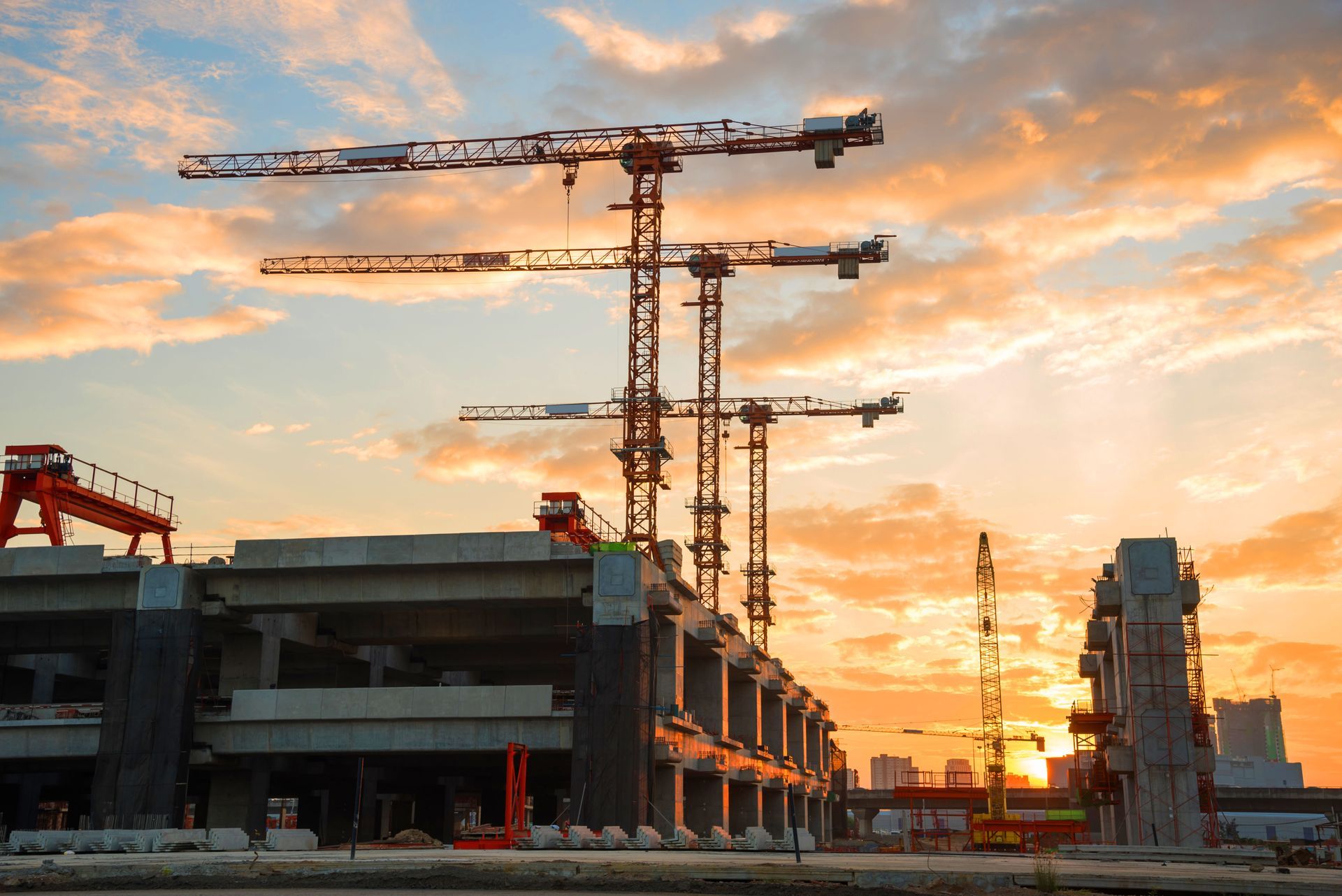
Tower cranes are indispensable in the construction of tall buildings and high-rise structures. Their impressive height and lifting capacity make them critical for projects that reach skyward. The boom or jib of a tower crane can reach areas that are otherwise inaccessible to other lifting equipment. Tower cranes are firmly fixed to the ground, offering stability and safety for large-scale operations.
Their use is predominant in the skyscraper construction sector, where vertical and horizontal reach are paramount. Assembling tower cranes involves complex logistics, requiring careful planning and execution. Most rental companies provide comprehensive services, including transportation, installation, and dismantling, ensuring convenience for construction firms. Crane rentals facilitate access to these vital machines without the long-term commitment of ownership.
For developers and contractors, renting tower cranes allows immediate access to the specific crane model needed for project success. Regular maintenance and upgrades provided by rental companies ensure that the equipment is in excellent condition and complies with industry standards. This access to top-tier machinery not only boosts operational efficiency but also enhances the safety and reliability of high-rise construction work.
How to Choose the Right Crane Rental Company?
Reputation and Reviews
When selecting a crane rental company, reputation is a crucial factor to consider. Companies with a solid track record in providing reliable service and quality equipment tend to be more trustworthy. Reading client testimonials and reviews can offer insights into the level of customer satisfaction and the company's operational integrity. A positive reputation often indicates a commitment to high standards in service delivery and equipment reliability.
Additionally, engaging with a well-regarded rental company can provide peace of mind, knowing that the equipment delivered will meet safety standards. Compliance with industry regulations and rigorous maintenance protocols are usually signs of a reputable firm. Clients are encouraged to investigate a company's history in the industry and their responses to past client feedback to gauge their dependability.
Range of Equipment
The breadth of equipment offered by a crane rental company can substantially impact project success. A diverse equipment catalog ensures that a single provider can meet comprehensive project needs. This variety simplifies logistics, enabling construction managers to source all necessary machinery from one place, fostering seamless coordination. Renting from a well-stocked provider guarantees access to the appropriate crane for every unique lift requirement.
Wide-ranging equipment options also demonstrate a rental company's capability to address both standard and specialty project demands. Being able to choose from a variety of cranes means construction companies can optimize their operational efficiency, selecting the right crane for each specific task. This adaptability serves projects with diverse scope variations, from urban developments to infrastructural works.
In conclusion, crane rentals offer vast strategic advantages by enhancing project efficiency, reducing costs, and increasing operational flexibility. The crane rental market's projected growth indicates an increasing recognition of these benefits across the industry. Embracing crane rentals can lead to significant financial savings, providing access to the latest technology without the commitment and costs associated with ownership. Rentals also ensure projects are equipped with the right machinery at the right time, enhancing safety and reliability.
Moreover, the flexibility and scalability offered by crane rentals allow companies to tailor their logistical and equipment strategies to the unique demands of each project. With a wide variety of crane types available, rental services support versatility in meeting diverse construction challenges. Professional expertise provided by rental companies further bolsters operational efficiency and risk management, ensuring project success.
By strategically integrating crane rentals into project plans, construction companies can focus on their core competencies, knowing their equipment needs are securely managed. The combination of financial and operational benefits underscores the value of crane rentals as a crucial element in modern construction strategy. Companies that leverage these services can better navigate the complexities of project management, ultimately achieving enhanced productivity and success. Reach out to D-Crane Rental today to see how we can help you!